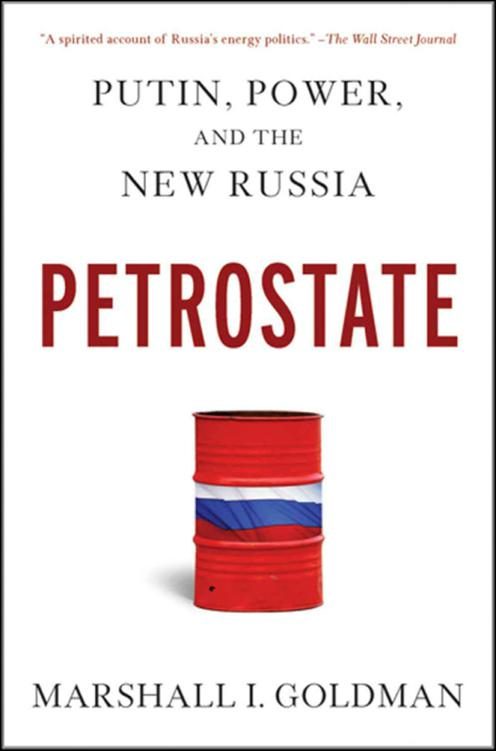
Petrostate: Putin, Power, and the New Russia
Скачать
Начало книги
Much has changed in the short time since Petrostate was first published in the spring of 2008. The price of petroleum, which peaked a bit later that summer at $147 a barrel, by winter plunged as low as $33. The drop in price and the resulting loss of revenue for Russia led my wife to comment that I should never have used “Petrostate” as the title of the book. With oil at $33 a barrel, “Impoverished State” would have been more descriptive. Besides, everyone was going to misread the title and wonder why an economist specializing on Russia and energy had written a book called “Prostate.” What did that have to do with Vladimir Putin? Did I know something about Putin’s health that his physicians had been hiding from the public?
She was right. Some readers did indeed misread the book’s title. Moreover, the collapse of petroleum prices, at least for a time, did crimp Putin’s swagger. The reduction in oil export revenues meant that the inflow of convertible currencies was no longer able to keep pace with the outflow expenditure of convertible currency spent on imports. As a result, a mere six months later, on March 31, 2009, Russia’s foreign currency reserves fell from nearly $600 billion in September 2008 to $384 billion (IMF update, April 23, 2009).