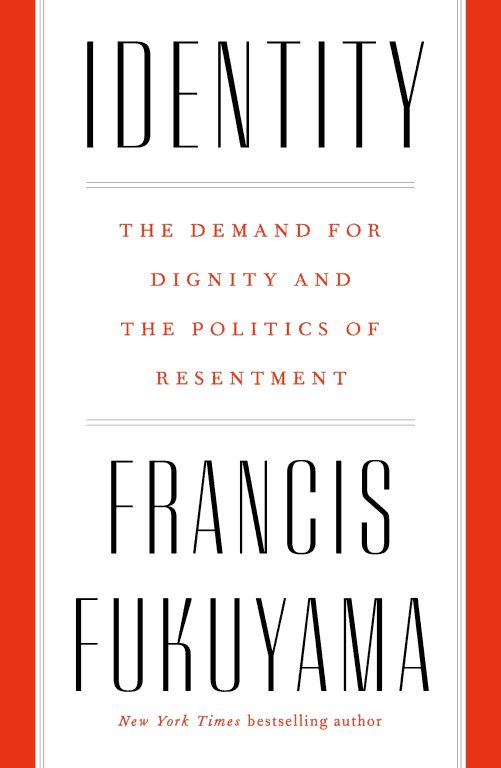
Identity: The Demand for Dignity and the Politics of Resentment
Скачать
Начало книги
Sometime in the middle of the second decade of the twenty-first century, world politics changed dramatically.
The period from the early 1970s through the mid-2000s witnessed what Samuel Huntington labeled the “third wave” of democratization as the number of countries that could be classified as electoral democracies increased from about 35 to more than 110. In this period, liberal democracy became the default form of government for much of the world, at least in aspiration if not in practice.{1}
In parallel to this shift in political institutions was a corresponding growth of economic interdependence among nations, or what we call globalization. The latter was underpinned by liberal economic institutions such as the General Agreement on Tariffs and Trade and its successor, the World Trade Organization. These were supplemented by regional trade agreements such as the European Union and the North American Free Trade Agreement. Throughout this period, the rate of growth in international trade and investment outpaced global GDP growth and was widely seen as the major driver of prosperity. Between 1970 and 2008, the world’s output of goods and services quadrupled and growth extended to virtually all regions of the world, while the number of people living in extreme poverty in developing countries dropped from 42 percent of the total population in 1993 to 17 percent in 2011. The percentage of children dying before their fifth birthdays declined from 22 percent in 1960 to less than 5 percent by 2016.{2}
- Жанр
- Политика, Публицистика
- Год написания
- 2018
- Издание
- Farrar, Straus and Giroux, New York, 2018
- ISBN
- 978-0-374-71748-3
- Язык
- en
- Размер FB2
- 490,3 КБ
- Добавлена