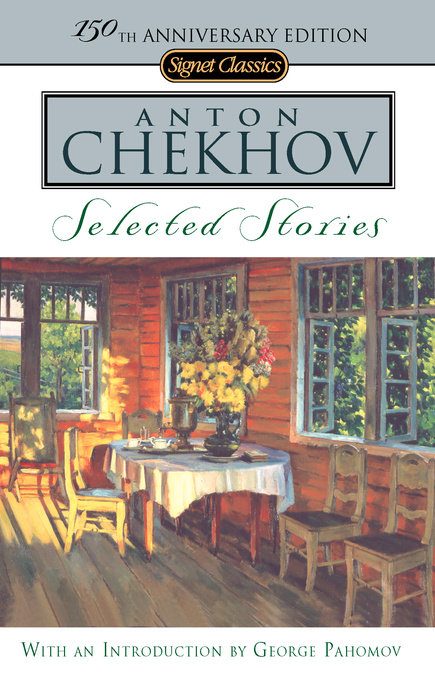
Selected Stories
Скачать
Начало книги
CHEKHOV, AFTER SHAKESPEARE, is the most-staged playwright in the English-speaking world, and given the number of languages into which his stories have been translated, he must be among the world’s most-read writers. How can a writer who lived two centuries removed and worlds away engage our intellect so keenly and touch our sensibilities so deeply? For an answer we should turn to the past.
During Chekhov’s lifetime (1860–1904), Russia underwent rapid change in its transformation from an agrarian society to an urbanized, diversified one. The established dyad of gentry-peasantry—for which land was the source of power and which had set norms and values for generations—was disintegrating. The official end of serfdom in 1861 accelerated the change, of which Chekhov was both beneficiary and chronicler. Only two generations from serfdom himself (his father’s father had purchased the family’s freedom), Chekhov found in the unleashed energies of emancipation an unprecedented gallery of types, and his fiction captured the burgeoning Russian democracy, from bishops and doctors to shopkeepers, cabbies and criminals. No other Russian writer has such scope and breadth of characters, occupations, situations and locales. In Chekhov’s democratic worldview, no one was excluded.
- Жанр
- Русская классическая проза
- Издание
- Penguin Publishing Group, 2003
- ISBN
- 9781101573594
- Язык
- en
- Размер FB2
- 901,7 КБ
- Добавлена